
Quick Takeaways
-
- Stimulants speed up the nervous system while depressants slow it down, creating opposite effects that teens may seek for different reasons.
- Prescription medications become just as dangerous as street drugs when misused, and mixing uppers and downers creates life-threatening complications that many teens don’t understand.
- Recognizing warning signs early and knowing when to seek professional help can make the difference between a concerning phase and a deepening crisis.
What Are Stimulants and Depressants?
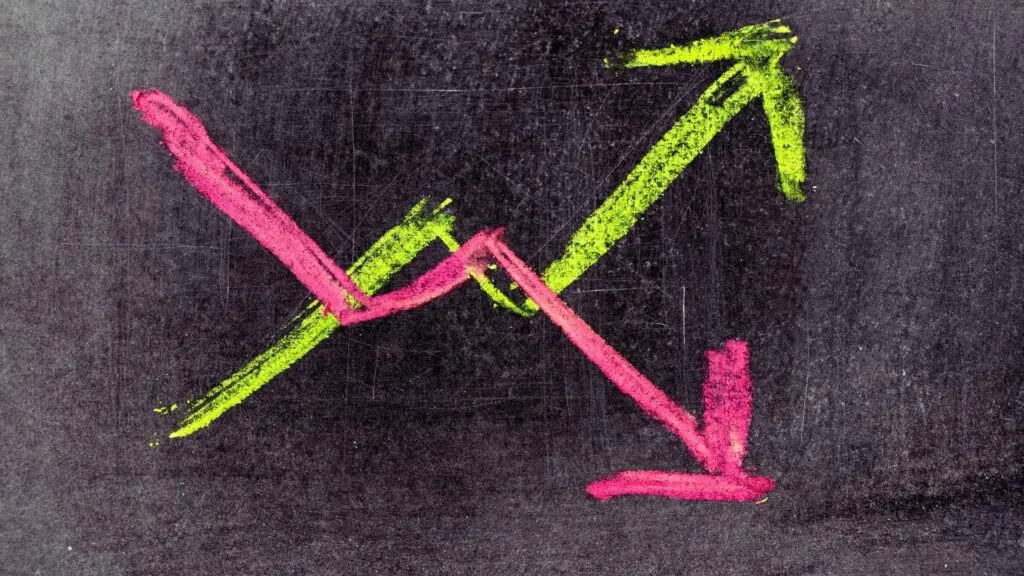
Stimulants speed up your central nervous system. They elevate blood pressure, increase heart rate, and heighten brain activity, creating feelings of alertness, energy, and sometimes euphoria. Commonly prescribed examples include medications for attention-deficit/hyperactivity disorder like Adderall and Ritalin, while illicit stimulants include cocaine and methamphetamine.
Depressants affect the body in the opposite way. They slow down nervous system activity, reducing anxiety and creating relaxation or sedation through their calming effect on brain function. This category includes alcohol, benzodiazepines like Xanax, and certain prescription sleep aids. Opioids are a different drug class, but they can cause heavy sedation and dangerously slow breathing, especially when combined with other depressants.
Teens gravitate toward these drug types for different reasons. Some seek the focus and confidence prescription stimulants provide, while others want the escape depressants offer from heightened anxiety or sleep problems.
Recognizing Depressant Misuse and Stimulant Abuse in Teenagers
Knowing what stimulants vs. depressants look like in action can help you spot changes before they become crises. The warning signs vary significantly based on which type of substance your teen is using, and understanding these patterns helps assess a person’s risk for developing physical dependence or a substance use disorder.
| Stimulant Misuse Signs | Depressant Misuse Signs |
| Decreased appetite and weight loss | Excessive sleepiness or nodding off |
| Dilated pupils | Constricted pupils (more common with opioids) and glazed eyes |
| Talking excessively or fast speech | Slurred speech or slow responses |
| Increased body temperature and sweating | Appearing disconnected or “checked out” |
| Insomnia and sleep disturbances | Sleeping at unusual times or oversleeping |
| Heightened energy followed by crashes | Poor coordination and balance issues |
| Irregular heartbeat and increased blood pressure | Slowed breathing and reaction time |
| Teeth grinding or jaw clenching | Memory gaps or forgetting conversations |
These patterns rarely appear in isolation. You might notice changes in academic performance, shifts in friendships, or increased secrecy alongside the physical symptoms.
The Grey Areas That Confuse Parents
Some of the trickiest questions parents ask fall into categories where the answers aren’t black-and-white. These situations require nuance because they involve prescription medications, illegal substances, or combinations that create extremely dangerous outcomes.
ADHD Medications vs. Street Stimulants
ADHD medications and street stimulants may share a name or chemical structure, but the risks change dramatically based on how they’re used. When prescribed and taken as directed, medications like Adderall are carefully dosed and monitored to improve focus and daily functioning. Problems arise when teens take higher doses than prescribed, use the medication more often than directed, or change how it’s taken (such as crushing or snorting pills). At that point, the drug’s impact on the brain and body begins to resemble stimulant misuse, with increased risks to heart health, sleep, mood regulation, and emotional stability.
Watch for signs like running out of medication early, requesting refills more frequently, or becoming defensive when you ask about their prescription. If your teen’s grades aren’t improving despite medication, or if you notice the energized behavior patterns listed earlier, the prescription itself may have become part of the problem.
Why Alcohol Seems Like the Opposite of a Depressant
The initial phase of alcohol consumption can feel stimulating. Your teen might become louder, more social, or seemingly more confident at a party. This happens because alcohol first suppresses the brain’s inhibitory controls, creating a temporary disinhibition effect before the full depressant properties emerge.
As drinking continues, the true depressant nature emerges. Reaction times slow, coordination fails, and sedation increases as the substance affects the cardiovascular system and other vital functions. This can feel like two phases, and confuses both teens and parents. It makes it seem as if alcohol use is less dangerous than it actually is, since the calming effect doesn’t appear immediately.
The Dangerous Truth About Mixing Uppers and Downers
Teens sometimes combine uppers and downers, believing they can balance each other out. Someone might take a stimulant to stay awake and alert while drinking, or use a depressant to “come down” from stimulant effects. This practice involving other substances creates unpredictable and potentially fatal results.
The stimulant can mask how intoxicated someone actually is, leading to alcohol poisoning or respiratory depression. The Centers for Disease Control and Prevention warns that using more than one substance (polysubstance use) can make effects stronger and more unpredictable, and can be deadly. Mixing depressants (like alcohol or benzodiazepines) with opioids is especially dangerous because these substances can compound sedation and suppress breathing.
The body also builds tolerance to each drug type differently. Over time, with prolonged use, teens need higher amounts of each substance to achieve the same effect, dramatically increasing a person’s risk for overdose and physical dependence on multiple drug categories simultaneously.
What to Do When You Suspect Drug Use

Suspecting your teen is using substances can feel paralyzing. These practical steps help you move from worry to action with both urgency and care, whether you’re dealing with commonly misused prescription medications or illicit substances.
Immediate Safety Assessment
Certain situations require emergency intervention rather than waiting to schedule an appointment. Use this checklist to determine your next move based on the increased risk level:
Call 911 or go to the emergency room if your teen:
-
- Has difficulty breathing or slow breathing patterns
- Cannot be awakened or remains unresponsive
- Has seizures, muscle spasms, or convulsions
- Shows signs of overdose (blue lips, cold skin, extreme confusion, irregular heartbeat)
- Expresses suicidal thoughts or self-harm intentions
- Shows signs of severe overheating, chest pain, or fainting
Monitor closely and schedule a professional assessment if you notice:
-
- Consistent pattern of concerning behaviors over multiple days
- Physical symptoms that persist even when you’re watching
- Significant changes in friend groups or activities
- Declining academic performance without other explanation
- Missing money or valuables from your home
- Stomach cramps, sleep disturbances, or other withdrawal symptoms
Trust your instincts. If something feels seriously wrong, err on the side of caution and seek medical supervision immediately.
Starting a Conversation Without Pushing Them Away
Timing and tone matter more than the perfect words. Choose a calm moment when neither of you is rushed or already arguing about something else. Avoid confronting them while they’re with friends or immediately after they come home.
Try opening with something like: “I’ve noticed some changes lately, and I’m concerned because I care about you. Can we talk about what’s going on?” Listen more than you lecture. Ask open-ended questions about what they’re feeling or experiencing rather than leading with accusations about drug abuse.
Stay calm even if they become defensive. Your goal isn’t to win an argument but to keep communication lines open so they’ll come to you when they need help addressing mental health concerns or substance use issues.
When Professional Help Is Necessary
Some situations require expertise beyond what parents can provide alone. Consider reaching out for professional intervention when you observe:
-
- Continued drug use despite negative consequences (failed classes, legal trouble, health issues).
- Inability to cut back or stop, even when your teen says they want to.
- Withdrawal symptoms when not using, particularly with commonly misused depressants.
- Using substances to cope with mental health symptoms like panic disorders, heightened anxiety, or depression.
- Behavioral changes that affect daily functioning at school, home, or work.
- Physical dependence signs, including tolerance, where teens need more to achieve the same effect.
- High-risk behaviors involving other drugs or extremely dangerous combinations.
Early intervention makes a significant difference in outcomes. Youth-specific programs understand adolescent brain development and create treatment plans that address both substance use disorder and underlying mental health conditions through evidence-based approaches.
Moving Forward Together
The stimulants vs. depressants distinction matters because these substances require different clinical approaches and create unique risks involving the nervous system, cardiovascular system, and brain function. Recognizing what your teen might be using helps you respond more effectively.
Professional support exists specifically for families navigating these challenges. New Chapter Youth Program offers specialized care for adolescents struggling with substance use disorders, addressing both the immediate concerns and the underlying mental health factors that drive teen addiction. Our evidence-based treatment includes PHP, IOP, and outpatient programs designed around young people’s needs. If you’re ready to explore options or just want to talk through your concerns, reach out to our team today.

As CEO and Clinical Director of New Chapter Recovery, Ann Gharib is a Licensed Professional Counselor (LPC) and Licensed Clinical Alcohol and Drug Counselor (LCADC) who specializes in dual-diagnosis treatment and family therapy. As Ann combines her several years of expertise and spirituality to provide compassionate, Christian addiction counseling. Ann has experience treating drug use, alcohol use, and mental health disorders in many different levels of care.