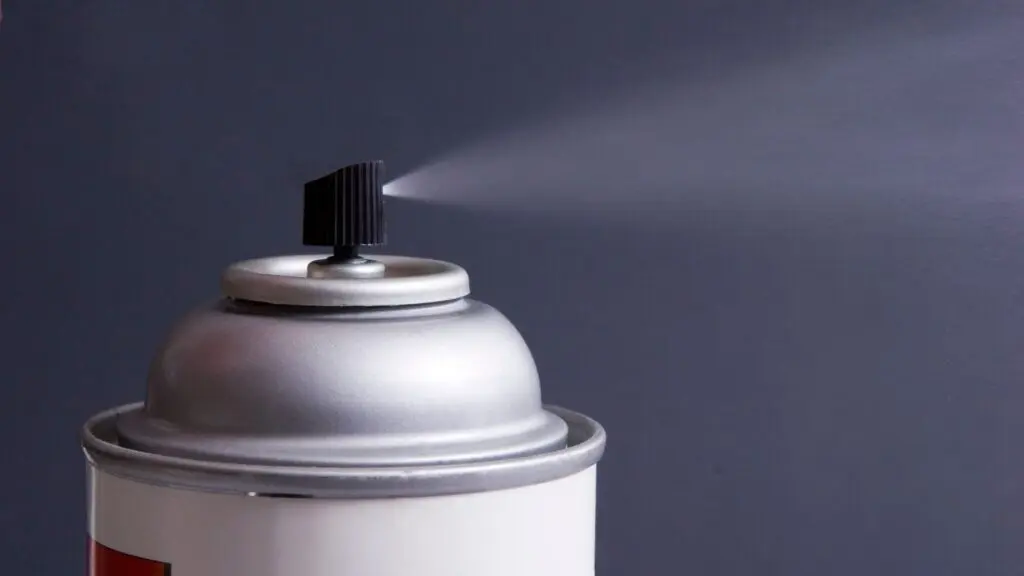
Inhalant abuse among teens is a troubling and often overlooked form of substance use due to the easy accessibility of common household products. Teenagers inhale fumes from everyday items to achieve a quick high, which can have severe and sometimes fatal health consequences.
This article highlights the most common inhalant drugs used by teens, their effects, and the risks involved to raise awareness and encourage prevention.
Volatile Solvents
Volatile solvents are liquids that easily vaporize at room temperature, releasing chemical fumes that can be inhaled for a quick, euphoric high. Because many of these products are found in homes, garages, and workshops, they are a common choice for teen inhalant abuse. Examples include paint thinners, degreasers, and nail polish removers; glues and adhesives that contain the chemical toluene; gasoline and lighter fluid; and correction fluids or certain felt-tip markers.
Inhaling volatile solvents can cause immediate symptoms such as dizziness, nausea, headaches, and confusion, while repeated use can lead to serious health problems, including brain damage, liver and kidney injury, hearing loss, and even sudden sniffing death syndrome. Limiting unsupervised access to these products and educating teens about their risks is a critical step in prevention.
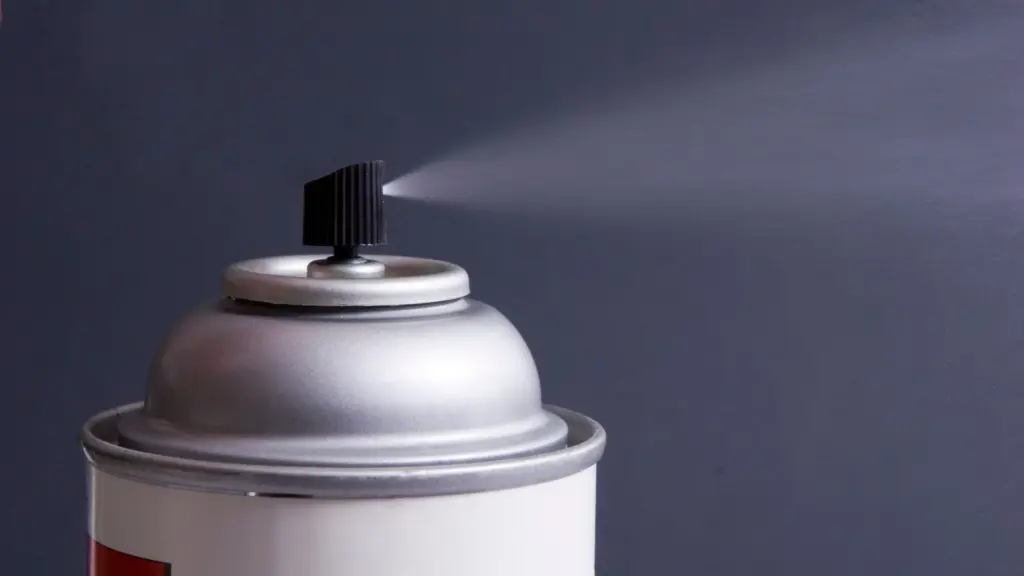
Aerosols
Aerosol products contain both propellants and solvents, producing vapors that can cause intoxication when inhaled. Commonly misused aerosols among teens include deodorant sprays, hairsprays, spray paints, air fresheners, and fabric protector sprays. Because aerosols are pressurized, they not only pose chemical risks but also a physical danger of lung injury from the force of inhalation.
Abuse can result in slurred speech, impaired coordination, hallucinations, and, in severe cases, cardiac arrest.
Preventing aerosol abuse involves keeping spray products out of easy reach, using them only in well-ventilated areas, and being alert for signs of misuse such as unusual chemical odors on clothing or breath.
Gases
Certain gases, both from household sources and medical settings, are also abused for their intoxicating effects. Nitrous oxide, also known as “whippets” often found in whipped cream dispensers and known as “galaxy gas” or “laughing gas,” can cause a brief high but also carries the risk of oxygen deprivation and nerve damage with repeated use.
Butane and propane, found in lighter fluids and fuel canisters, can cause sudden death from heart failure even after a single use. Medical anesthetics like ether or chloroform are less common but still reported in cases of substance abuse. Because these gases can cause loss of consciousness within seconds, the danger of accidents, falls, or fatal overdoses is extremely high.
Nitrites
Nitrites are a smaller but significant category of inhalants, often sold under names like “poppers” and sometimes disguised as room deodorizers or leather cleaners. The most common, amyl nitrite, works by dilating blood vessels and producing a rapid, intense sensation of warmth and lightheadedness.
While some misuse nitrites for their brief euphoric effects, these chemicals can cause dangerous drops in blood pressure, fainting, and long-term damage to the immune and cardiovascular systems.
Because nitrites are sometimes marketed in misleading ways, parents and caregivers may not immediately recognize them as harmful substances, making awareness and education essential in prevention efforts.
Why Teens Use Inhalants
Inhalants often appeal to teens because they are inexpensive, legal to purchase, and readily available in most homes or stores. Many of these substances—such as cleaning products, glues, or aerosol sprays—are everyday items that don’t raise suspicion, making them easy to access without attracting attention. The high from inhalants is rapid and intense but short-lived, which can lead to repeated use in a short time frame.
Curiosity, peer pressure, and the desire to experiment are common motivators, but some teens also turn to inhalants as a way to cope with stress, boredom, or underlying emotional struggles. Unfortunately, this perception of accessibility and safety is dangerously misleading, and early inhalants addiction treatment for teens is often necessary to prevent long-term harm.

Signs of Inhalant Abuse in Teens
Common indicators include unusual chemical odors on breath or clothing, unexplained paint or stains on the face, hands, or clothes, and frequent headaches, nausea, or dizziness.
Behavioral changes such as mood swings, irritability, lack of coordination, declining academic performance, and withdrawal from friends or family can also point to inhalant abuse. In many cases, inhalant misuse occurs alongside other forms of substance abuse or underlying mental health disorders, which can make recovery more complex and require integrated treatment approaches.
Preventing Inhalant Abuse
Prevention starts with awareness. Parents, educators, and caregivers must understand the dangers of inhalant misuse and remain alert to the warning signs. Open, judgment-free conversations with teens about substance use can help them make informed decisions. Safe storage, or in some cases, removal, of potentially misused household products can limit access.
Monitoring the availability and quantity of inhalants in the household can help identify potential misuse. Schools and community programs should include inhalant abuse prevention in their substance abuse education, starting early before exposure becomes a risk. In addition, fostering strong family bonds, promoting healthy activities, and providing counseling or intervention for at-risk youth can effectively reduce the likelihood of inhalant experimentation and progression to abuse
Final Thoughts from New Chapter Youth Recovery
Inhalants are deceptively common yet highly dangerous, with the potential to cause serious and lasting harm to a teen’s brain, body, and emotional well-being. Knowing the different types of inhalants, recognizing the signs of abuse, and understanding their addiction potential is key to protecting young people from long-term consequences.
At the New Chapter Youth Program, we provide specialized youth inhalants addiction treatment in New Jersey that supports both recovery and personal growth. Our compassionate team works closely with teens and their families, offering evidence-based therapies and personalized care to address substance use and underlying emotional challenges.