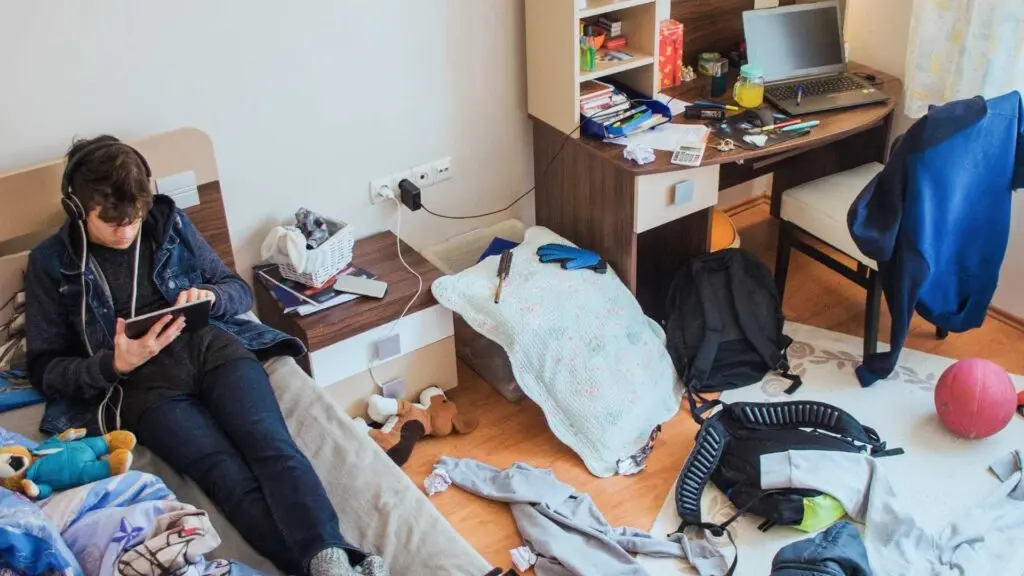
When your son suddenly seems like a stranger, withdrawn and struggling with substances you never imagined he’d touch, the question that haunts you is simple: why? For many families facing teen substance abuse, the answer lies beneath the surface in unresolved trauma. Understanding the impact of trauma on teen boys isn’t just about recognizing past pain. It’s about connecting the dots between traumatic experiences and the destructive coping mechanisms that followed. Trauma-informed care recognizes this connection and addresses both the addiction and its underlying causes.
Quick Takeaways
- Trauma in teen boys often leads to substance abuse as they seek relief from emotional pain
- Warning signs include emotional outbursts, social withdrawal, and risky behaviors
- Teen boys externalize trauma differently than girls, turning to substances instead of talking
- Treating addiction without addressing trauma rarely leads to lasting recovery
- Specialized dual treatment programs help teens heal from both conditions simultaneously
Understanding Trauma In Teen Boys
Trauma doesn’t discriminate, but it does show up differently depending on who experiences it. For teen boys, traumatic events can range from sexual abuse and witnessing violence to car accidents, natural disasters, or losing family members. According to the Substance Abuse and Mental Health Services Administration, more than two-thirds of children report experiencing at least one traumatic event by age 16, and these adverse childhood experiences leave lasting marks on the developing brain.
Teen boys face unique challenges when processing traumatic stress because cultural expectations discourage emotional expression in young men. Research shows that teen boys are more likely to express trauma through externalizing behaviors like aggression, rule-breaking, and substance use, while girls more often show internalizing symptoms such as anxiety or depression. When emotional outlets are blocked, many teens discover that drugs and alcohol provide temporary relief from unbearable emotional pain.
Recognizing Signs Of Trauma In Teen Boys

Substance abuse rarely appears out of nowhere. For teens carrying unresolved trauma, drugs and alcohol become unhealthy coping mechanisms for managing overwhelming emotions. You might notice your son engaging in risky behaviors, often attempting to escape intrusive thoughts or numb emotional pain.
The warning signs include:
- Emotional outbursts and mood swings: Your son may oscillate between rage, despair, and becoming emotionally numb
- Social withdrawal: He loses interest in activities, pulling away from family members
- Impulsive decisions: Poor impulse control leads to reckless behavior or continued substance use
- Self-destructive patterns: Self-harm or suicidal thoughts may emerge In the U.S., you can text HOME to 741741 to reach Crisis Text Line for free, 24/7 support.
Substances provide only temporary escape while the underlying wound remains unhealed.
Physical And Mental Health Red Flags
Trauma rewires how the body responds to stress. You might observe sleep problems, nightmares, or panic attacks. Some teens develop chronic pain with no clear medical cause, while academic performance plummets as concentration becomes impossible.
The Trauma-Addiction Cycle In Teen Boys
Unresolved trauma creates vulnerability to post-traumatic stress disorder and other mental health conditions. If your son discovers that drugs or alcohol temporarily silence his intrusive thoughts, his brain will learn a dangerous lesson about relief. Treating addiction without addressing trauma is much less likely to lead to lasting recovery, since trauma reminders can continue to trigger intense cravings.
Treating Trauma And Addiction Together

Effective treatment recognizes that trauma and substance abuse are deeply intertwined. Eye movement desensitization and reprocessing (EMDR) has strong research support for helping adolescents process traumatic memories and reduce PTSD symptoms The goal is developing healthy coping skills and emotional regulation abilities that replace drugs and alcohol.
Specialized mental health treatment designed for adolescent boys recognizes that the developing brain responds differently than adult brains. Outpatient programs allow teens to maintain daily life and family connections while receiving intensive support, making recovery feel less isolating.
The most effective programs incorporate multiple therapeutic approaches:
| Treatment Component | How It Helps |
| Trauma-focused therapy (EMDR, CBT) | Processes traumatic memories safely |
| Coping skills training | Teaches healthy alternatives to substance use |
| Family therapy | Involves family members in recovery |
| Peer support groups | Connects with others facing similar struggles |
| Emotional regulation work | Develops impulse control and mood management |
Early intervention dramatically improves outcomes, and your son learns problem-solving skills for handling stress without returning to substances.
Frequently Asked Questions About Trauma in Teen Boys
What are the symptoms of trauma in teens?
Symptoms of trauma in teens include emotional outbursts, mood swings, social withdrawal, risky behaviors, substance abuse, sleep problems, panic attacks, and intrusive thoughts. Teen boys may also experience declining academic performance, poor impulse control, self-harm tendencies, and physical symptoms like chronic pain without a clear medical cause.
How does trauma affect a teenager?
Trauma affects a teenager by disrupting emotional regulation, creating vulnerability to mental health disorders like post-traumatic stress disorder, and increasing risk of substance abuse. The developing brain becomes stuck in survival mode, impacting daily life functioning, relationships with family members, concentration, and the ability to develop healthy coping mechanisms.
What are the long-term effects of emotional trauma?
Long-term effects of emotional trauma include increased risk of mental health conditions, substance use disorders, chronic pain, heart disease, and difficulty maintaining relationships. Unresolved childhood trauma can lead to poor impulse control, ongoing emotional dysregulation, and challenges building resilience without professional mental health treatment and supportive environments.
Why do teens hide their emotions?
Teens hide their emotions because cultural expectations teach boys that vulnerability equals weakness and emotional expression is unmanly. This socialization pressures teen boys to internalize pain rather than seeking emotional support, leading many to turn to substance abuse as an unhealthy coping mechanism instead of talking about traumatic experiences.
How to help a traumatized teenager?
Help a traumatized teenager by seeking specialized mental health treatment that addresses both trauma and any co-occurring substance abuse. Provide emotional support while setting healthy boundaries, encourage participation in evidence-based therapies like EMDR and group therapy, involve family members in the recovery process, and create a safe and supportive environment at home.
Building Strength Beyond Survival: Helping Your Son Heal
Recovery from both trauma and addiction is extremely difficult, but it’s also entirely possible. The recovery process isn’t about simply stopping drug use but addressing the root causes that made substances seem like the only solution. Trauma-informed addiction treatment gives your son the best chance at lasting recovery because it recognizes he wasn’t just making bad choices. When you help your son access comprehensive care that addresses the traumatic experiences underlying his substance abuse, you’re offering him the chance to build a life where he no longer needs to escape his own mind.
At New Chapter Youth Program, we specialize in helping teen boys heal from traumatic experiences while addressing the behavior and substance use that often come with them. To learn more, visit our contact page.