You know your child better than anyone else, and when something feels off, that parental instinct rarely misleads you. Yet distinguishing normal teenage behavior from signs of teen drug use can feel overwhelming.
National survey data from the National Institute on Drug Abuse show that roughly one in three high school seniors report using at least one illicit drug in the past year. Drug abuse prevention starts with recognition, and catching the earliest warning signs can make the difference between early intervention services and a developing substance abuse problem.
Quick Takeaways
- Extreme mood swings and aggressive behavior often appear before physical signs of substance abuse.
- Academic decline frequently signals that drug or alcohol use has begun affecting your teen’s life.
- Sudden friend group changes combined with secretive behavior suggest peer pressure influence.
- Drug paraphernalia, like prescription pills or smoking pipes, provides concrete evidence requiring immediate action.
- Multiple warning signs demand professional help from mental health services.
1. Dramatic Behavioral Changes and Mood Swings
Mood swings that seem extreme or completely out of character may signal more than normal teenage behavior. When your typically calm child becomes prone to aggressive behavior, or your respectful teen turns verbally abusive toward family members, substance abuse could be the underlying cause. While some privacy-seeking is normal during adolescence, a complete communication shutdown paired with dramatic mood changes suggests something more serious may be happening.
2. Physical Signs and Changes in Appearance
Your teen’s body often reveals what words won’t. You might notice:
- Sudden weight loss or gain
- Constricted or widely dilated pupils
- Bloodshot eyes or an unusually tired appearance despite adequate sleep
Recognizing these physical indicators early increases the likelihood of successful intervention before patterns of illicit or prescription drug misuse become entrenched.
3. Declining School Performance and Academic Problems
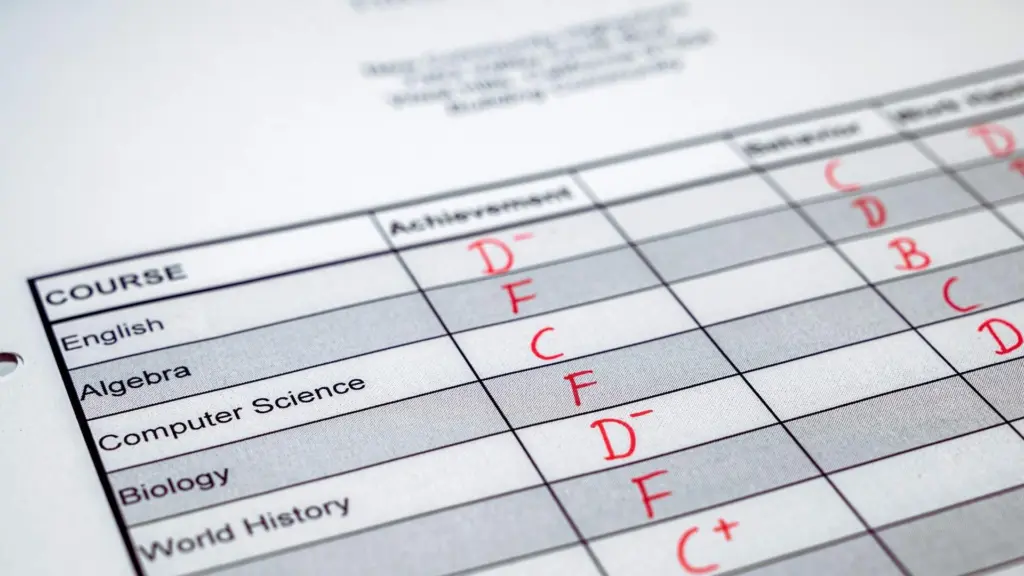
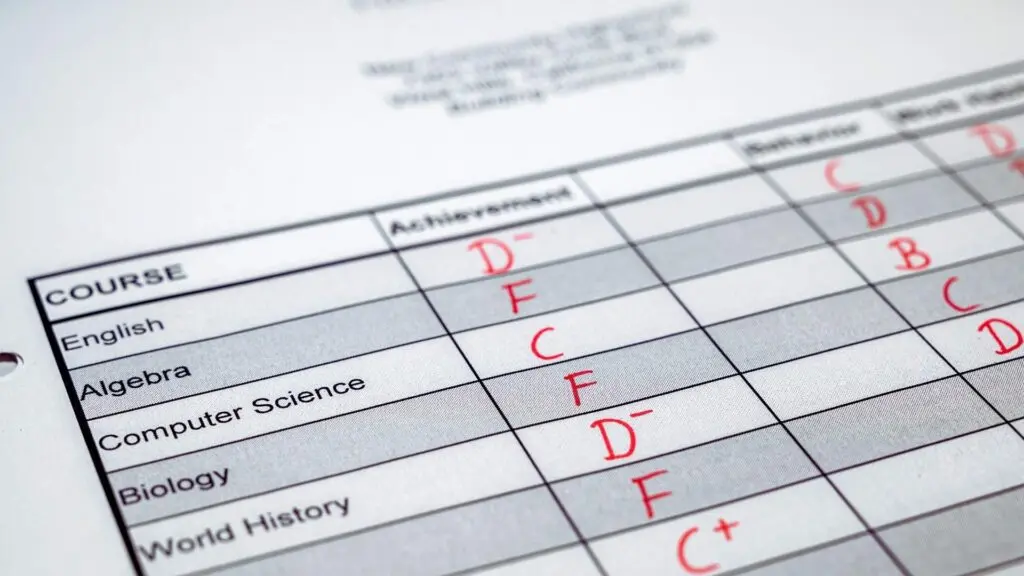
Academic decline often serves as the most definitive sign that parents and teachers notice simultaneously. Your teen, who consistently earned B’s and A’s, suddenly brings home failing tests. Teachers report skipped classes or difficulty focusing during lessons. If your previously engaged student now regularly misses school or has given up on academic success, these changes warrant serious investigation into possible drug abuse.
4. Changes in Social Circles and Secretive Behavior
When your child suddenly abandons longtime friends for a completely new social circle, especially peers who use substances, it’s a red flag worth investigating. Peer pressure plays a significant role in teenage drug use, and teens who begin experimenting often gravitate toward others who share those behaviors.
Along with changing friend groups, you might notice increased secrecy. Your teen might start locking their bedroom door constantly, hiding their phone screen, or becoming defensive when you ask simple questions. Complete withdrawal from family members combined with extreme secretiveness suggests something more concerning than typical developmental changes.
5. High-Risk Behaviors and Poor Decision-Making
Certain risk factors indicate serious problems rather than normal experimentation, such as binge drinking or dangerous sexual activity. Family history plays a significant role, as substance use disorders can run in families. If your teen repeatedly engages in risky behaviors that seem out of character, consider whether substance use might be influencing their choices.
6. Defensive Reactions and Endless Excuses

How your teen responds when questioned reveals important information. Endless excuses for missing money, unexplained absences, or suspicious circumstances pile up until they strain credibility. Defensive reactions that seem disproportionate often indicate your teen is hiding something. While all teenagers occasionally make excuses, persistent patterns of dishonesty combined with hostile reactions when confronted suggest deeper issues.
7. Discovery of Drug Paraphernalia or Evidence of Substance Use
Finding drug paraphernalia moves from suspicion to confirmation. You might discover prescription drugs missing from your medicine cabinet or prescription pills in your teen’s room that weren’t prescribed to them. Common signs also include cigarette lighters when your teen doesn’t smoke, weight scales with residue, small plastic bags, or eye drops used to mask bloodshot eyes.
The presence of illicit drugs or other drugs in your teen’s possession demands immediate action, as these discoveries represent critical moments where your intervention can redirect your teen’s path.
When to Seek Professional Help for Teen Drug Use
Don’t wait until things spiral out of control. Contact a local treatment center when you observe multiple warning signs. Professional assessment becomes crucial when you suspect a substance abuse problem:
- Mental health professionals can evaluate your teen and determine the extent of drug use.
- Look for programs addressing both substance use and co-occurring mental health disorders like depression or anxiety.
- Early intervention significantly improves outcomes and lowers the risk that substance use will develop into a long-term addiction.
Signs of teenage substance abuse demand professional attention, not just parental lectures. These warnings represent symptoms requiring expert help. Reaching out for support recognizes that teenagers need specialized care and that treatment can give your teen the tools needed for recovery.
Frequently Asked Questions About Teen Substance Abuse
What’s the difference between normal teenage moodiness and signs of drug use?
Normal teenage behavior involves occasional mood shifts tied to specific events or stressors. Signs of drug use in teens include extreme, unpredictable mood swings, aggressive behavior toward family members, and personality changes so dramatic that your teen seems like a different person, often combined with other warning signs.
Are physical signs more reliable than behavioral signs when spotting teen drug use?
Both matter equally. Physical signs like constricted pupils, sudden weight loss, or finding drug paraphernalia provide concrete evidence, while behavioral changes like declining school performance and secretive behavior often appear first. The most definitive sign is when multiple indicators appear together, suggesting a substance abuse problem.
What should I do if my teen denies using drugs or alcohol?
Trust your instincts when you notice warning signs of teen substance use, even if your teen denies it. Document concerning behaviors, maintain open communication, and contact mental health services or your pediatrician for professional assessment. Early intervention services work best when parents act on evidence rather than waiting for admission.
Protecting Your Teen From Substance Abuse
Recognizing the warning signs of teen substance use represents your first step toward helping your child. Drug abuse prevention starts with vigilant parents who respond when something seems wrong. Early recognition and intervention can end addiction before it takes hold, allowing your teen to build a healthy, substance-free future.
If you’ve noticed several warning signs and feel unsure of what to do next, you don’t have to navigate this alone. At New Chapter Youth Program, we specialize in compassionate, evidence-based support for teens facing substance use and mental health challenges. To get help today, reach out through our contact page.